
Life-force Movement (Brand) · Nov 2, 2026
From Burnout to Balance: Restoring Your Natural Vitality
How conscious breathing, gentle movement and small pauses can help you recover more wisely.
Burnout rarely arrives all at once.
More often, it builds quietly: one late night becomes a habit, a full calendar leaves little room to recover, and the things that once felt meaningful begin to feel like obligations. You may still be getting through the day, but the energy behind your actions has changed.
When this happens, the instinct is often to push harder. We look for a better routine, a stronger coffee, a more efficient way to fit everything in. Yet restoring vitality may begin with a different question: what if the answer is not to demand more from ourselves, but to learn how to recover more wisely?
Life-force Movement offers a practical way to explore that question through conscious breathing, mindful movement and the cultivation of awareness. It does not promise an instant cure for burnout. Instead, it invites us to rebuild a steadier relationship with the body, our attention and the pace of everyday life.
When tiredness becomes a way of living
Ordinary tiredness usually has a clear cause and improves with rest. Burnout can feel different. Even after a night's sleep, a person may wake feeling depleted. Tasks that once seemed manageable can feel overwhelming, while concentration, patience and motivation become harder to sustain.
Burnout is not a personal failure or proof that someone lacks discipline. It can emerge when demands remain high and the resources available for recovery are consistently too limited. Workload, uncertainty, caregiving, financial pressure and emotional strain can all contribute. The experience is individual, and persistent exhaustion may also have medical or mental-health causes that deserve professional attention.
The first step is to notice what is happening without turning it into another reason for self-criticism. The body is not an obstacle to overcome. It is part of the information we need to make better decisions.
Vitality is more than having enough energy to keep going
We often measure vitality by how much we can accomplish. If we can finish the work, answer the messages and meet the deadline, we assume we are doing well. But being able to keep going is not the same as feeling well.
Natural vitality includes the capacity to engage, recover and respond to life without remaining in a constant state of strain. It can show up as a clearer mind, a more settled breath, a little more patience or the ability to notice when we need a pause.
Traditional practices use terms such as qi, prana or life-force to describe aspects of vitality and embodied experience. These are concepts rooted in particular cultural and philosophical systems, not interchangeable with biological energy or proof of a measurable force. Their value for many practitioners lies in the framework they offer for paying attention to the body and cultivating steadier habits.
In this sense, restoring vitality is not about chasing an invisible resource. It is about developing the conditions in which we can feel more present, responsive and balanced.
Begin by noticing the breath
When life becomes demanding, breathing can become shallow, hurried or barely noticed. We may hold our breath while concentrating, tighten the jaw during difficult conversations or move through the day without pausing to feel how we are breathing.
Conscious breathing creates a simple opportunity to interrupt that automatic pattern. There is no need to force deep breaths or aim for a special experience. Begin by sitting comfortably and noticing the breath as it is. Feel the movement around the ribs or abdomen. Let the exhalation finish naturally. If it feels comfortable, allow the breath to become a little quieter and more unhurried.
A few attentive breaths can serve as a small transition between activities. They may help you notice tension or agitation before reacting. If focusing on the breath feels uncomfortable, return to ordinary breathing and orient your attention to the room or the support beneath your body.
For those who want a structured introduction, conscious breathing and foundation practice can provide a starting point for exploring breath and movement with guidance.
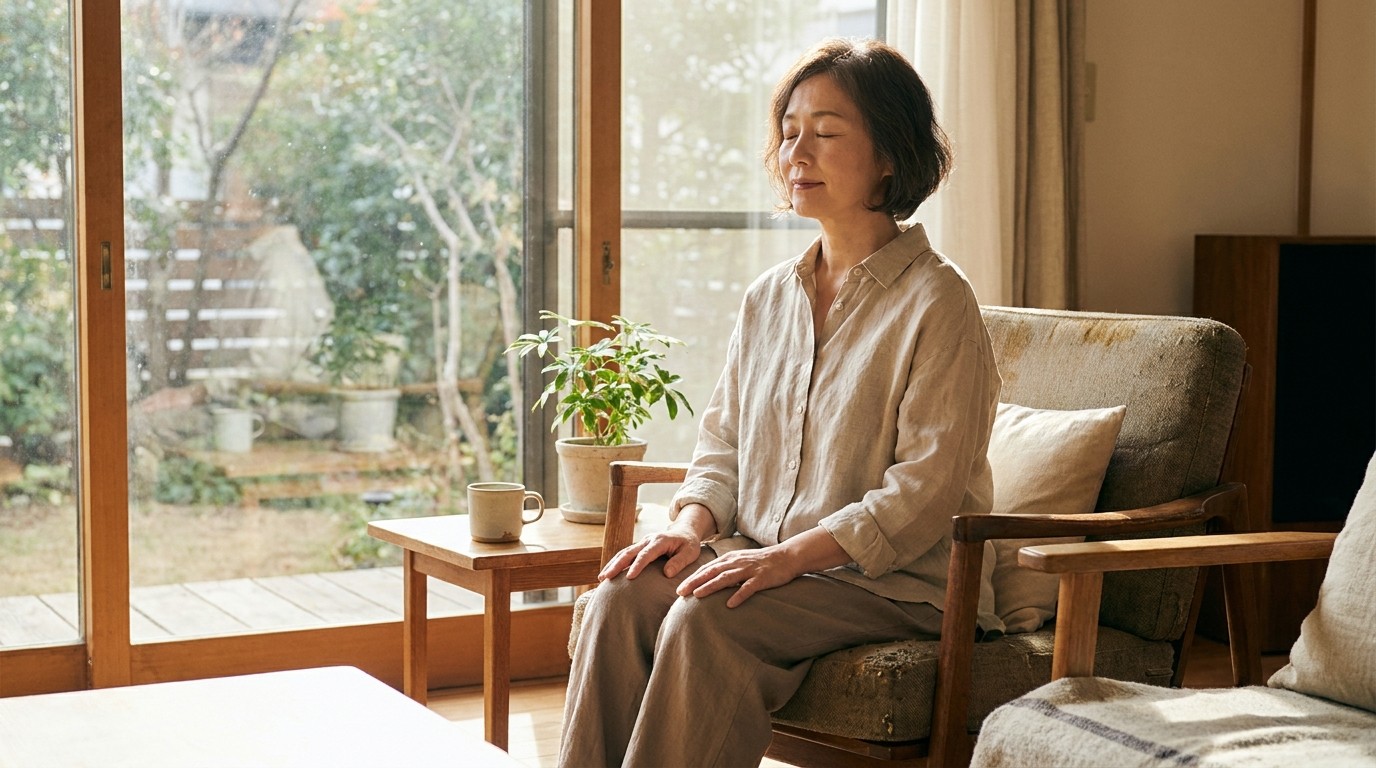
Movement can help us return to the body
Burnout can leave us feeling disconnected from physical experience. We may spend hours sitting, rushing or working through discomfort until tension becomes so familiar that we barely notice it. Gentle movement can offer a way back.
The aim is not to perform perfectly or push through fatigue. It is to move with enough attention to recognize what feels available today. Simple shoulder circles, slow weight shifts, gentle stretching or an unhurried walk can help us observe the body without turning movement into another performance target.
Practices such as Hatha Yoga, Qigong and Hunyuan Taiji bring breath, posture and movement into a more deliberate relationship. Their pace can encourage patience and awareness. For some people, that is a welcome contrast to the speed and pressure of daily life.
Start small. A few minutes of comfortable movement may be more sustainable than an ambitious routine that adds another demand to an already full day.
Balance is not the same as doing everything equally
The word balance can create the impression that every part of life should receive an equal share of our time and attention. In reality, responsibilities shift. Some seasons require more effort at work; others call for greater attention to family, health or recovery.
Balance is less about dividing life into perfect proportions and more about noticing when one demand has begun to consume everything else. It asks whether the current pace is sustainable, whether recovery is being postponed indefinitely and whether our choices still reflect what matters to us.
A useful practice is to pause at the end of the day and ask: What took the most from me today? What helped me recover, even a little? What is one adjustment I can make tomorrow?
The answers do not need to be dramatic. A more realistic boundary, a proper lunch break or a short walk without a screen may be enough to begin changing the pattern.
Emotional strain needs space, not suppression
Burnout is not only physical. Frustration, worry, disappointment and numbness can accumulate when there is little room to process what we are experiencing. Trying to suppress these feelings may make it harder to understand what they are telling us.
A mindful movement practice can create a quiet space to notice emotion without immediately acting on it. You might recognize that your shoulders are tense when you feel pressured, or that your breathing changes when a particular thought returns. These observations do not solve the problem by themselves, but they can make our responses less automatic.
The intention is not to force calm or treat difficult emotions as failures. It is to build enough awareness to respond with care. Sometimes that means resting. Sometimes it means having an honest conversation, changing a boundary or seeking support.
If exhaustion, anxiety, low mood or sleep difficulties persist or interfere with daily life, consider speaking with a qualified healthcare professional. A movement practice can complement appropriate care, but it should not replace it.
Make recovery small enough to repeat
A common mistake is to wait until life becomes less busy before making room for recovery. That moment may never arrive on its own. A more workable approach is to build small pauses into the life we already have.
Try a brief breathing pause before opening your inbox. Stand and move gently after a long period of sitting. Step outside between meetings. Give yourself a few minutes at the end of the day to notice how you feel before moving into the next responsibility.
Consistency matters more than intensity. A modest practice repeated regularly may be easier to sustain than a demanding routine that disappears after a few days. The purpose is not to optimize every moment, but to create a little more room to notice and respond.
For those interested in a more guided approach, Life-force Movement brings together conscious breathing, movement and energy cultivation as an ongoing practice of awareness.
Restoring vitality is a relationship, not a quick fix
There is no single technique that can remove every source of exhaustion. Restoring vitality may involve changing the conditions that created the strain: reducing unnecessary demands, improving boundaries, seeking support, attending to sleep and making time for meaningful connection.
Practice can help us recognize what is happening within those conditions. It can remind us that the body deserves attention before it reaches its limit, and that recovery is not something we have to earn by becoming productive enough.
Some people also explore more specialized approaches, such as Tibetan breathwork, or attend a Life-force Movement retreat for a more focused period of practice. The right approach is the one that is appropriate, safe and sustainable for the individual.
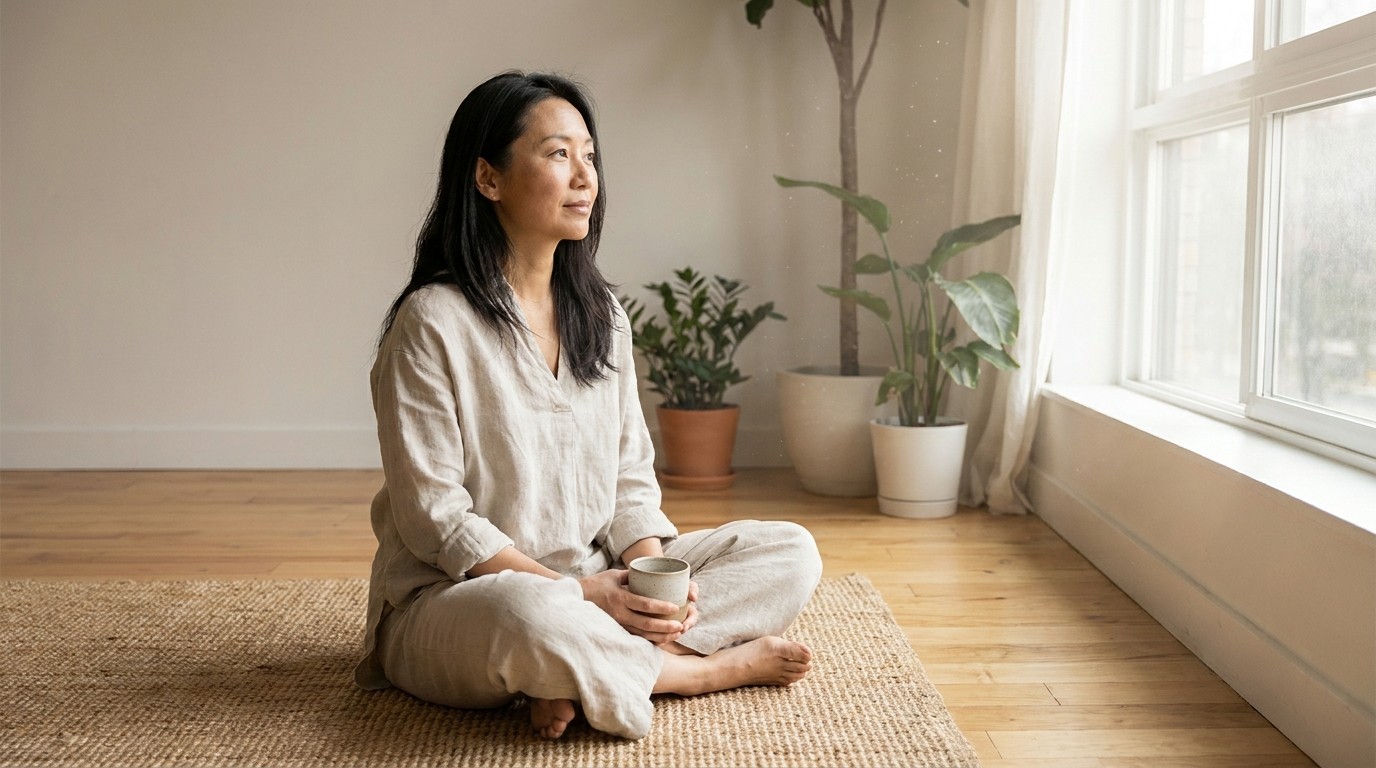
Conclusion: Return to what helps you feel present
Moving from burnout to balance is rarely a straight line. Some days will feel clearer; others may still be difficult. The goal is not to become endlessly energetic or to eliminate every demanding season of life. It is to develop a more honest relationship with our limits and a more consistent practice of recovery.
Begin with what is available: one unhurried breath, a few minutes of gentle movement, a boundary that protects your rest. Notice what supports you, and allow the practice to grow at a pace you can maintain.
To discover how Life-force Movement brings together conscious breathing, movement and energy cultivation, visit victorchng.com.
Tags: Life-force Movement · Burnout Recovery · Conscious Breathing · Qigong · Hatha Yoga · Hunyuan Taiji · Singapore
Begin with a breath
Discover a practice that helps you reconnect with your body, your breath and your own sense of vitality — one to one, as a corporate programme, or as a retreat.
Explore services More articles